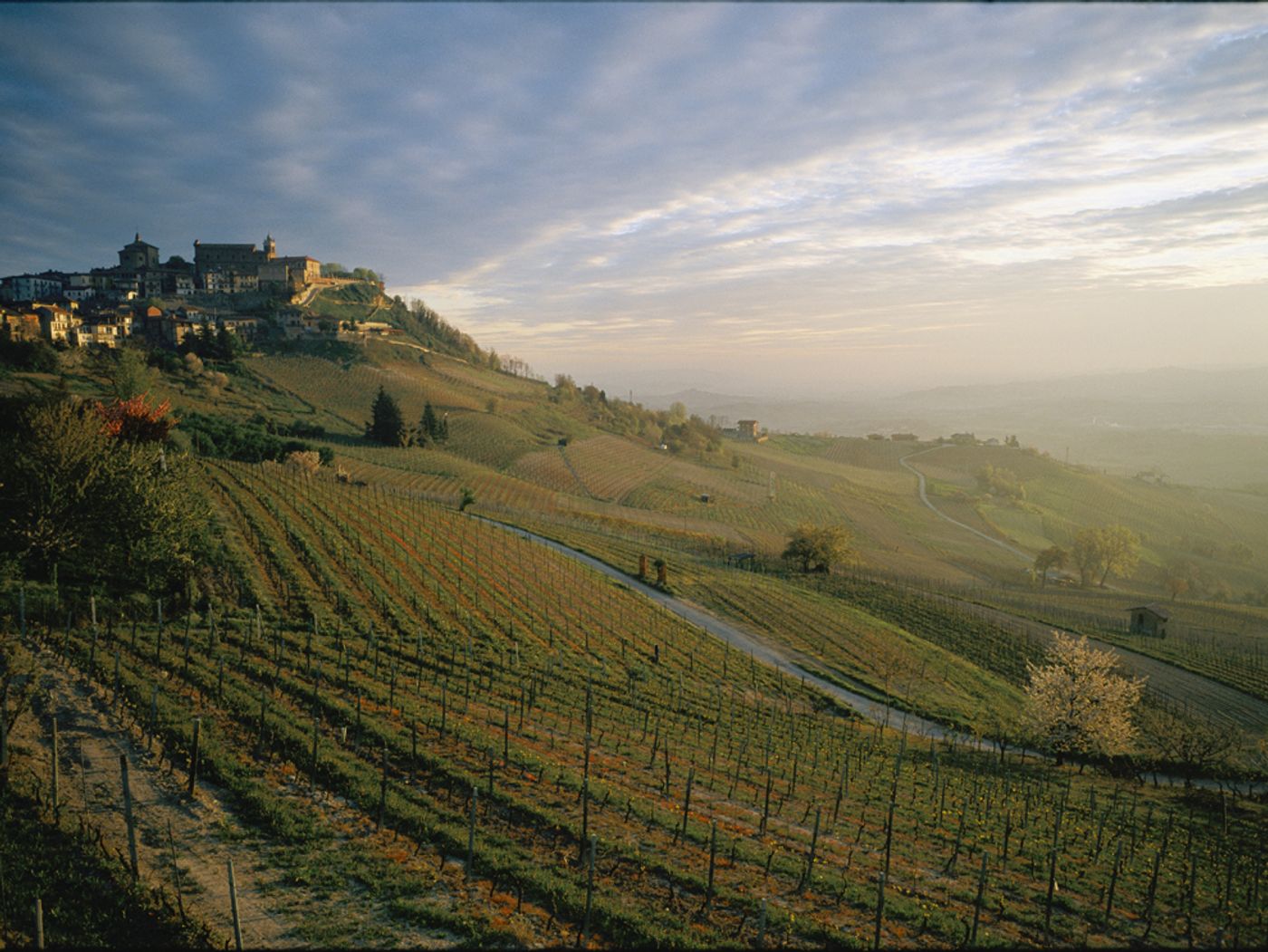
A piedmont is a curious place in the middle. Translating to "foot of a mountain," it's a plateau situated somewhere above a lowland and an unconquered summit.
The American Piedmont is a stretch of land that separates the Appalachian Mountains from the Atlantic Seaboard, with a wingspan reaching from central Alabama all the way to northern Delaware. It shares a name with its much more famous and yet much young sister, the Italian Piedmont nestled below the Alps.
The Italian region is remembered for - what else? - its wines. But the American Piedmont formed 470 million years ago, well before the break-up of Pangea. Due to the conveyor belt of tectonic churn, it has forgotten more than it can ever know.
But it does occupy a unique position in the middle of our homeland topography. It serves as a sort of base camp for the peaks of the old, dying Appalachians. If you were to hike from a coastal town - say, Charleston, S.C. - to the top of the highest Blue Ridge peak, you would probably rest to strategize your final ascent somewhere in the Piedmont. You will have known some of the terrain of the Eastern United States, and can reasonably speculate about some others. But the higher truth at the peak of Mount Mitchell would so far elude you.
What we think we know about our history is shaped by stories told by word of mouth; by the media we consume; by our history books; and sometimes, although often poorly, by monuments and other physical marginalia. These are the forces of upheaval and erosion that build the historical terrain that we navigate today.
But two mysterious forces make that unsteady ground.
One is an illusion of permanence. That we are on seemingly static footing - history is just history; what happened is documented, and whether we want to seek out that truth or not, it's there to be found. It turns out historical narrative has as much life as a burgeoning mountain range, or a shifting river. What we know about our past is often vastly different than what our parents knew about our past.
The other force is power. While we would like to believe that over time truth is the guiding hand of popular historical narrative, often it's more simply a reflection of the people in power at the time that narrative took hold. If you want to know why a textbook or a TV show or a plaque from the past said something you don't understand or don't agree with, just look at who was in power at the time and place that thing was created, and you will find your answer.
This is a work dedicated to making sense of the changing landscape of the memory of ourselves.
At The American Piedmont we have a few ways to evaluate the narrative flow. We will publish regular essays for long-form examination of specific topics with broader implications. We welcome submissions from readers and creators whose points of view can improve the context of our mission. We will also publish Field Notes - smaller pieces with less theme - to help stimulate thought and provide springboards for future essays. And we will be sharing our evidence in the form of Artifacts, which are pieces of history we've culled from the real world to present and catalog here. Finally, we will share Signals from across the country, a news stream focused on the evolving human narrative spanning from the past through the future.
So welcome to the middle. Our memories today are vastly different than our memories from yesterday, and they will change again before tomorrow. At least here at The American Piedmont, we can watch them change.
Rick Newkirk
Founder, The American Piedmont